
Delving into Salesforce Lightning Migration: Why You Need a Certified Consulting Partner, this introduction immerses readers in a unique and compelling narrative. It explores the benefits, key features, and importance of certified consulting partners in successful Salesforce Lightning migration.
The following paragraphs will delve deeper into the expertise required, best practices, and real-world examples, providing a comprehensive guide on the topic.
Salesforce Lightning Migration Overview
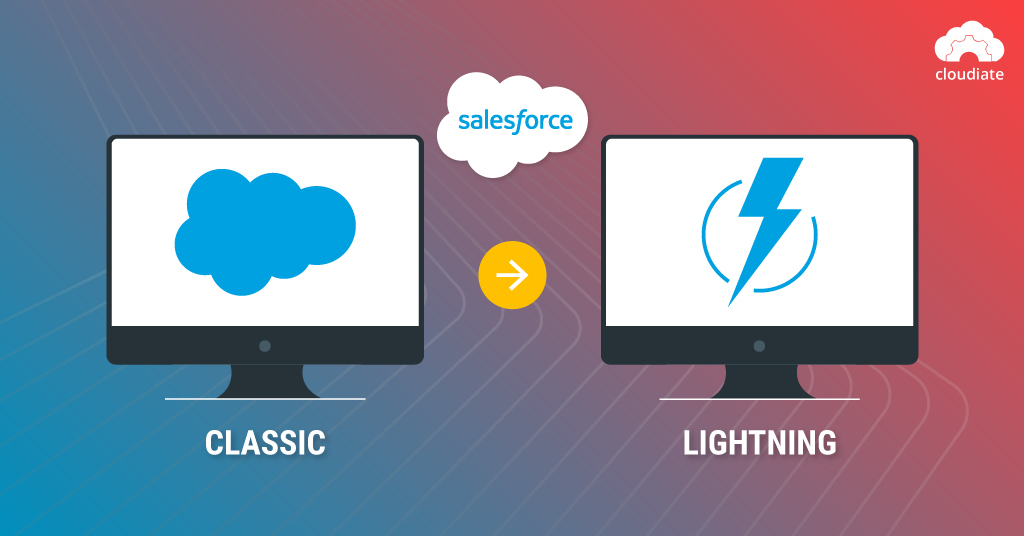
When it comes to Salesforce, migrating to Salesforce Lightning is a crucial step for businesses looking to enhance their CRM experience. Salesforce Lightning is a modern, user-friendly interface designed to increase productivity and streamline processes.
Benefits of Migrating to Salesforce Lightning
- Improved User Experience: Salesforce Lightning offers a more intuitive and visually appealing interface, making it easier for users to navigate and perform tasks.
- Enhanced Productivity: With features like customizable dashboards, automation tools, and AI-powered insights, Salesforce Lightning helps users work more efficiently.
- Mobile Optimization: Salesforce Lightning is optimized for mobile devices, allowing users to access CRM data and tools on the go.
Key Features of Salesforce Lightning
- Lightning App Builder: Easily create custom applications and pages without any coding knowledge.
- Lightning Experience: A modern and responsive user interface that adapts to different devices and screen sizes.
- Lightning Components: Reusable building blocks that allow for quick and easy customization of the CRM interface.
Certified Consulting Partner Importance
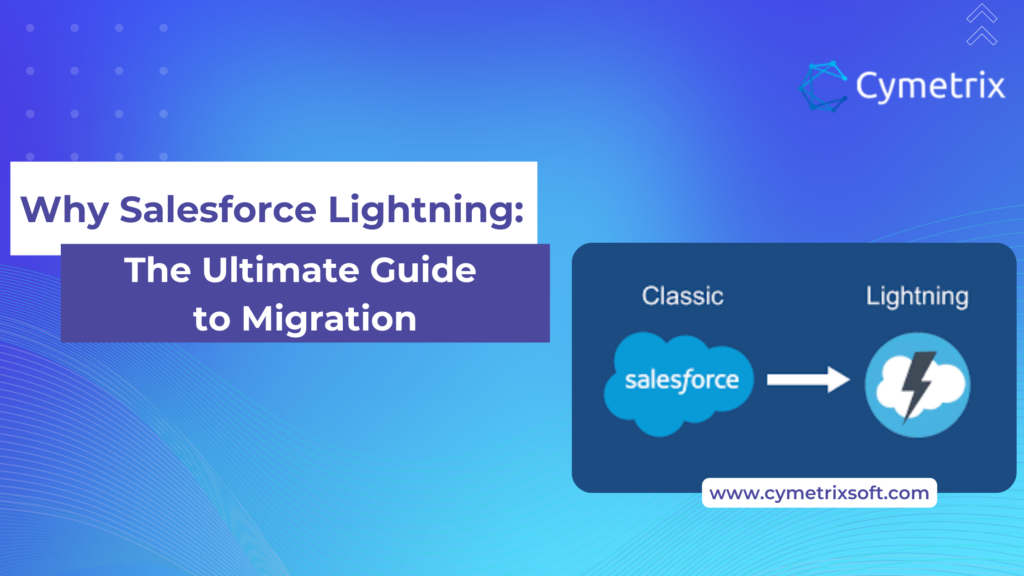 Certified consulting partners play a crucial role in Salesforce Lightning migration projects. Their expertise and experience can make a significant difference in ensuring a smooth and successful transition to the new platform. When it comes to Salesforce Lightning migration, using a certified consulting partner offers several advantages over attempting a self-migration. These advantages include:
Advantages of Certified Consulting Partner
- Expertise: Certified consulting partners have specialized knowledge and training in Salesforce Lightning, allowing them to navigate the migration process efficiently and effectively.
- Customization: Consulting partners can tailor the migration plan to meet the specific needs and requirements of your organization, ensuring a seamless transition.
- Support: Partnering with a certified consulting partner provides access to ongoing support and guidance before, during, and after the migration, helping to address any issues that may arise.
- Best Practices: Consulting partners follow industry best practices and standards, minimizing the risk of errors or complications during the migration process.
Expertise and Skills of Certified Consulting Partners
When it comes to Salesforce Lightning migration, certified consulting partners possess a unique set of expertise and skills that set them apart from the rest. These professionals are well-equipped to handle the complexities of transitioning to the Lightning platform, ensuring a smooth and successful migration process.
Staying Updated with Salesforce Lightning Features
Certified consulting partners make it a priority to stay updated with the latest Salesforce Lightning features and updates. This continuous learning process allows them to leverage new functionalities and enhancements to optimize the migration process for their clients.
- Regularly attending Salesforce training sessions and webinars to stay informed about new features.
- Participating in Salesforce community events to network with other professionals and share best practices.
Specific Skills for Salesforce Lightning Migration
There are specific skills that make a consulting partner qualified for Salesforce Lightning migration projects. These skills are essential for ensuring a successful migration and maximizing the benefits of the Lightning platform.
- Technical Proficiency: Certified consulting partners have a deep understanding of Salesforce architecture, data modeling, and customization capabilities.
- Change Management Expertise: They are skilled in managing organizational change and ensuring a seamless transition to the new platform.
- Integration Skills: Consulting partners can integrate Salesforce Lightning with other systems and applications to streamline business processes.
- Problem-Solving Abilities: They have the ability to troubleshoot issues and find creative solutions to complex challenges during the migration process.
Best Practices for Salesforce Lightning Migration
When planning a successful Salesforce Lightning migration, it is crucial to follow best practices to ensure a smooth transition. Here, we will Artikel key steps and strategies to help organizations considering migration to Salesforce Lightning.
Step-by-Step Guide for Salesforce Lightning Migration
Below is a step-by-step guide to help organizations navigate the migration process to Salesforce Lightning:
- Evaluate Current Setup:
- Assess your current Salesforce setup to identify any customizations or integrations that may impact the migration process.
- Identify areas that need to be optimized or redesigned in Salesforce Lightning.
- Create a Migration Plan:
- Develop a detailed migration plan outlining timelines, resources, and key milestones.
- Allocate resources and define roles and responsibilities for the migration team.
- Test and Validate:
- Conduct thorough testing of the Salesforce Lightning environment to ensure all functionalities are working as expected.
- Engage end-users in user acceptance testing to gather feedback and address any issues proactively.
- Training and Adoption:
- Provide comprehensive training to users on Salesforce Lightning features and functionalities.
- Implement a change management strategy to drive user adoption and ensure a successful transition.
Comparison of Best Practices and Common Pitfalls
It is important to understand the common pitfalls to avoid during Salesforce Lightning migration. Here is a comparison between best practices and common pitfalls:
| Best Practices | Common Pitfalls |
|---|---|
| Thoroughly evaluate current Salesforce setup. | Lack of proper assessment leading to missed customizations. |
| Create a detailed migration plan with clear timelines. | Unclear migration plan causing delays and confusion. |
| Engage end-users in testing and training. | Lack of user involvement leading to resistance to change. |
| Implement a change management strategy. | Failure to address user adoption resulting in low usage of Salesforce Lightning. |
Wrap-Up
In conclusion, this discussion sheds light on the crucial role of certified consulting partners in ensuring a smooth and efficient Salesforce Lightning migration process. By following best practices and leveraging expert skills, organizations can maximize the benefits of transitioning to Salesforce Lightning.
FAQ Resource
What are the benefits of migrating to Salesforce Lightning?
Migrating to Salesforce Lightning provides a modern and intuitive user interface, enhanced productivity features, and improved customization options.
Why should organizations choose a certified consulting partner for Salesforce Lightning migration?
Certified consulting partners bring in-depth expertise, ensure a smoother migration process, and help organizations maximize the benefits of Salesforce Lightning.
How do certified consulting partners stay updated with the latest Salesforce Lightning features?
Certified consulting partners undergo regular training and certifications from Salesforce to stay abreast of the latest features and updates.
What are some best practices for planning a successful Salesforce Lightning migration?
Best practices include thorough planning, stakeholder engagement, testing, and training to ensure a successful transition to Salesforce Lightning.
What are common pitfalls to avoid during Salesforce Lightning migration?
Common pitfalls include inadequate planning, lack of user training, poor data migration strategies, and underestimating the complexity of the migration process.